You open the fridge at 6 p.m. again—empty, chaotic, and judging you. Another night of takeout or last-minute scrambled eggs. You’ve downloaded free templates, tried color-coded spreadsheets, even stuck Post-its on the pantry door. But your weekly planning list for meals still crumbles by Wednesday. The real issue? You’re planning meals—not behavior. Let’s fix that.
Why Most Meal Plans Fail by Day 3
People treat meal prep like a culinary project, not a behavioral system. They pick recipes based on Pinterest aesthetics, ignore their actual schedule, and overestimate kitchen stamina after a 10-hour workday. And then they feel guilty when it falls apart.
The truth? A great weekly planning list for meals works *with* your energy fluctuations, budget constraints, and leftovers—not against them. Not every dinner needs to be “gourmet.” Some just need to be edible, fast, and not from a drive-thru.
Build a Weekly Planning List for Meals That Actually Sticks
Forget rigid seven-day grids. Start with rhythm, not recipes.
Step 1: Audit Your Week Like a General
Mark high-stress days (meetings, school events, double shifts). Those get “minimal-effort” meals: sheet-pan roasts, one-pot pastas, or smart leftovers. Low-stress days? That’s your window for batch cooking or trying something new.
Step 2: Choose Your Anchors
Pick 2–3 “anchor meals” you genuinely love and can rotate without burnout. Taco Tuesday? Fine—if you actually eat tacos happily on repeat. If not, ditch it. Consistency beats trendiness every time.
Step 3: Build Backward From Leftovers
Cook once, eat twice. Roast a whole chicken Monday? Tuesday’s lunch becomes chicken salad or soup. Plan meals in pairs, not singles. This cuts grocery costs and decision fatigue.
Step 4: Grocery List = Math, Not Magic
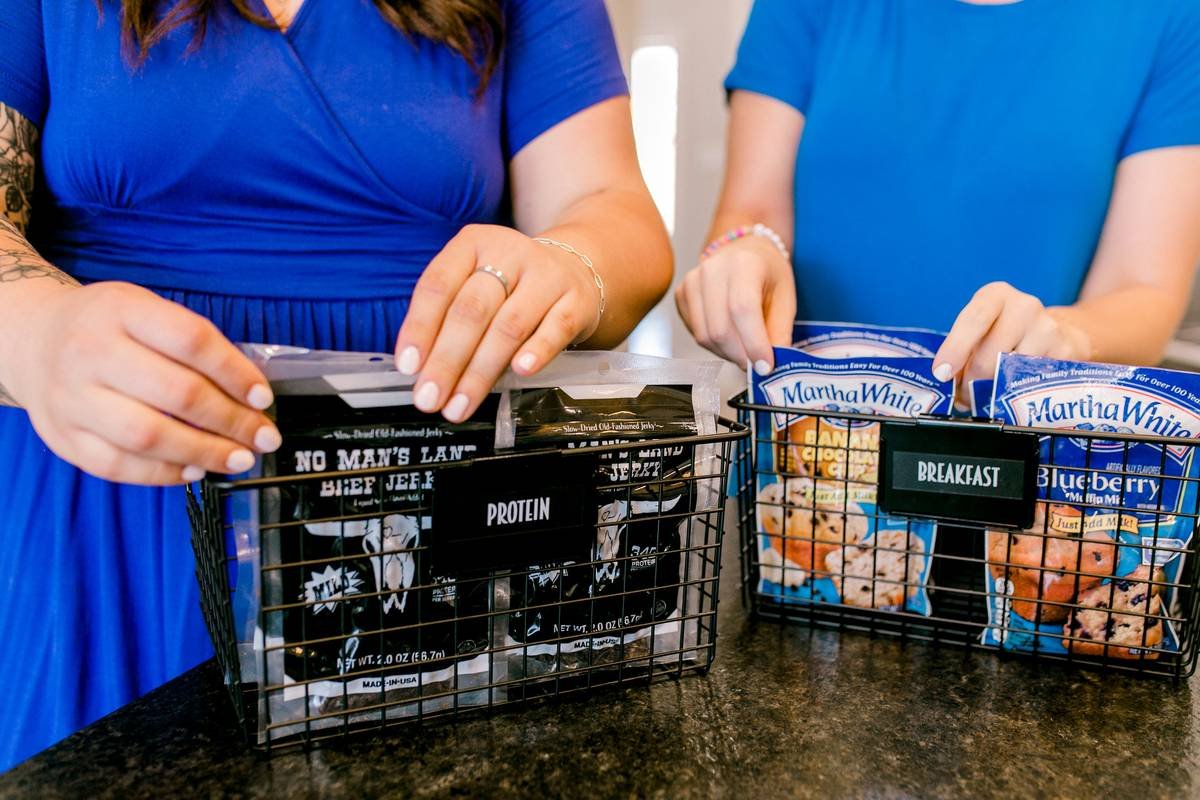
Group ingredients by store section (produce, dairy, pantry). Never shop hungry. And always—always—add 10% buffer for substitutions. Kale gone bad? Swap spinach. No big deal if you planned for flexibility.
| Strategy | Time Required | Weekly Grocery Cost* | Stress Level |
|---|---|---|---|
| Daily recipe hunting | 45–60 min/day | $140+ | High |
| Rigid 7-day plan | 90 min upfront | $110 | Medium-High (by Day 4) |
| Rhythm-based planning (our method) | 30 min/week | $85 | Low |
*Based on USDA average for a single adult; adjust for household size.

The Industry Secret: Restaurants Don’t Plan Menus—They Rotate Templates
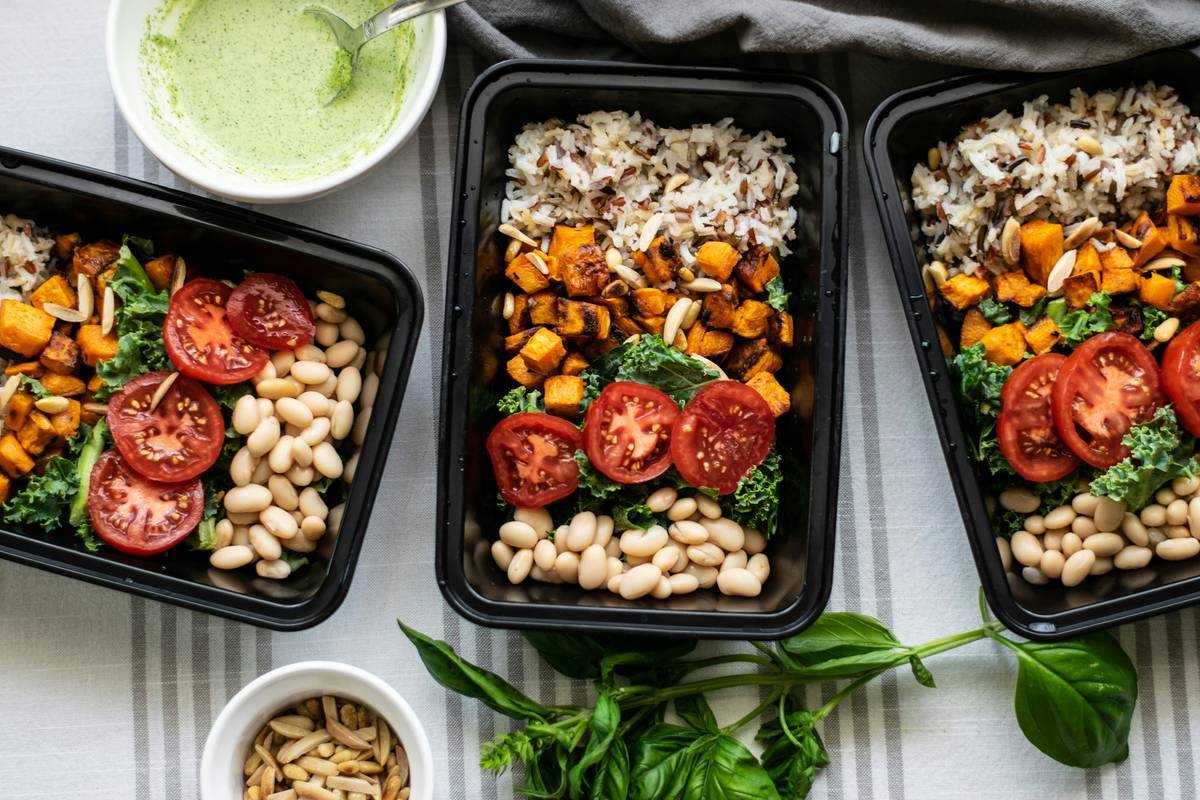
Here’s what no food blogger tells you: professional kitchens use “menu shells.” Same protein + three sauce options = six dishes. You can do this at home. Cook one grain (quinoa, rice), one roast veg (sweet potatoes, broccoli), one protein (chicken, tofu)—then remix with different spices or dressings across the week.
That “new” Wednesday stir-fry? It’s Tuesday’s roasted chicken + leftover rice + soy-ginger glaze. Feels fresh, takes 8 minutes. This isn’t lazy—it’s strategic. And it’s how real people survive meal prep long-term.
Frequently Asked Questions
How do I stick to my weekly planning list for meals when plans change?
Build in one “flex slot” per week—no assigned recipe. Use it for leftovers, pantry meals, or takeout without guilt. Life happens; your plan should bend, not break.
What’s the minimum time needed to plan meals weekly?
15–30 minutes if you use a template. Focus on structure (anchors, leftovers) not inventing new recipes. Speed comes from repetition, not reinvention.
Should I include snacks in my weekly planning list for meals?
Only if snacking derailed you before. Pre-portion nuts, cut veggies, or hard-boiled eggs on Sunday. Unplanned snacks are where budgets—and waistlines—quietly explode.