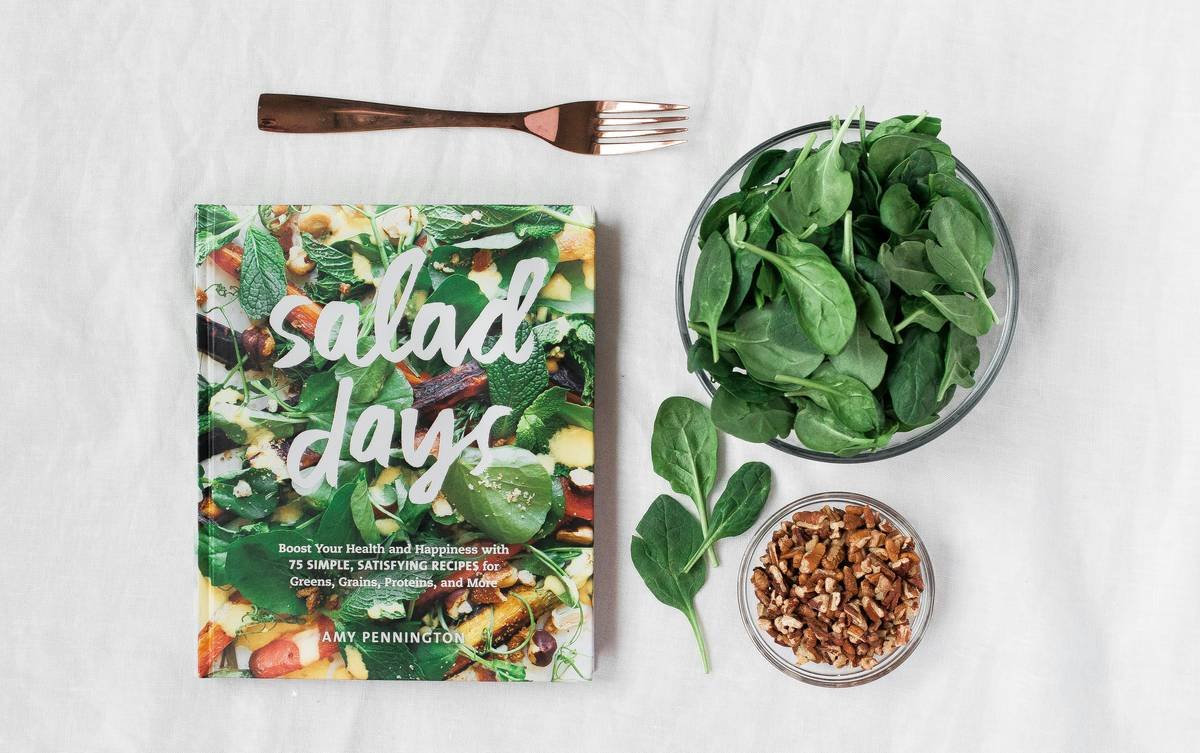
You’re tired of scrambling every Sunday night. Staring into the fridge like it owes you answers. Wasting $200 a week on groceries that rot before Wednesday. And still—somehow—eating takeout three times before Friday. The real problem? Most “meal plans” are built for food bloggers with unlimited budgets and sous chefs. What you need isn’t another Pinterest-perfect fantasy. It’s a meal planning guide book grounded in reality—where time, money, and human limits collide.
Why Generic Meal Plans Fail Real Households
They assume you love cooking. You don’t. You cook because you have to. They ignore leftovers, pantry gaps, or the fact your kid suddenly hates broccoli. And they never account for the 45-minute work commute that eats your prep window alive.
Most templates force rigid daily recipes. One missed ingredient—and the whole system collapses. That’s not planning. It’s performance art.
meal planning guide book: A Practical 5-Step System That Actually Works
Forget perfection. Aim for “good enough” that saves cash and cuts stress. Here’s how:
Step 1: Audit Your Week—Not Just Your Fridge
Check your calendar first. Got a late meeting Tuesday? Don’t schedule a 45-minute curry. Got soccer practice Thursday? Make Wednesday’s dinner reheat-friendly. Match meals to energy—not just ingredients.
Step 2: Build a Flexible Core Menu (Not a Rigid Schedule)
Pick 2 proteins, 2 starches, and 3 veggie bases. Mix and match across days. Cook once, eat twice—but differently. Chicken thighs Monday as stir-fry. Tuesday, shred them into tacos. Same protein. Zero extra effort.
Step 3: Shop Smart—With a Tiered List
Create three list sections: Must-Have (milk, eggs), Should-Have (frozen spinach, canned beans), and If-On-Sale (salmon, specialty cheese). Never walk into a store without this hierarchy.

Step 4: Batch Cook Strategically—Not Everything
Only batch what reheats well: grains, roasted veggies, braised meats. Skip soggy salads or delicate fish. And always—always—pre-chop onions and peppers. That 10-minute chore blocks 80% of weeknight drop-offs.
Step 5: Track Waste Like a CFO
Keep a “food graveyard” note on your phone. “Half a zucchini went bad.” Next week, buy one less. Small tweaks compound fast.
| Strategy | Weekly Cost (Family of 4) | Prep Time | Waste Rate |
|---|---|---|---|
| Rigid Daily Recipes | $195 | 3.5 hrs | 22% |
| Flexible Core Menu (Our Method) | $132 | 2 hrs | 8% |
| No Planning (Fly-by-Night) | $240+ | 0.5 hrs (but chaotic) | 31% |
The Industry Secret No One Talks About
Grocery brands pay influencers to push “theme nights” (Taco Tuesday, Pasta Friday). Why? Because themed eating drives impulse buys—you grab extra salsa, tortillas, specialty sauces. It inflates your cart by 30%.
Real budget planners avoid themes entirely. Instead, they rotate techniques: sheet-pan roasting, one-pot simmering, cold assembly. Same core ingredients. Different textures. Lower bill. Less mental load.
And here’s the kicker: stores discount perishables on specific weekdays—usually Wednesdays for dairy, Saturdays for meat. Time your shop around markdown cycles, not meal themes. That’s how pros cut costs without clipping coupons.
Frequently Asked Questions
Is a meal planning guide book worth buying?
Only if it’s flexible, budget-focused, and skips gourmet fluff. Most free online templates lack real-world constraints—like picky kids or 60-hour workweeks.
How do I stick to meal planning every week?
Don’t aim for 7 dinners. Plan 5. Leave 2 nights open for leftovers, pantry scrambles, or yes—even takeout. Sustainability beats perfection.
Can meal planning really save money?
Yes—if you track waste and avoid overbuying. Families using a structured meal planning guide book average $60–$80 weekly savings vs. unplanned shopping.