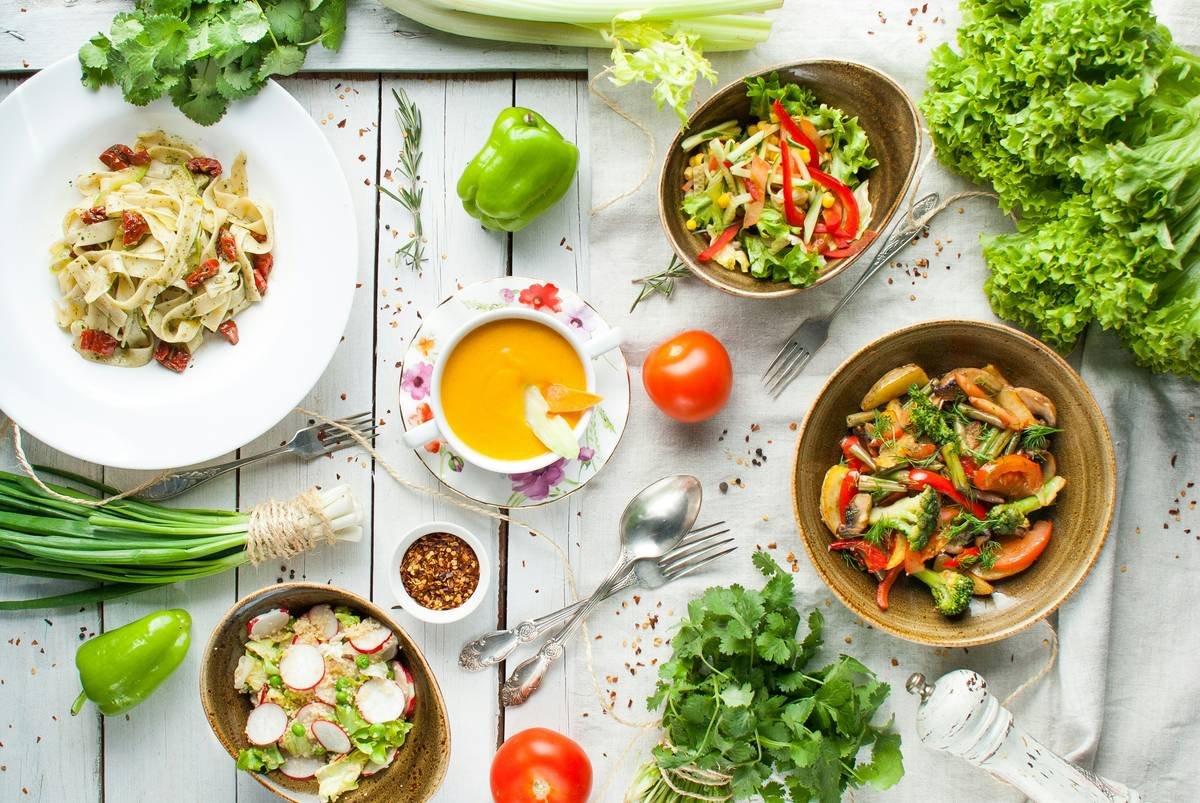
Ever stood in front of your fridge at 7 p.m., exhausted, staring into the abyss of wilting spinach and half-used jars, wondering how you’re supposed to turn this into dinner—again? You’re not alone. A 2023 study by the International Food Information Council found that 57% of U.S. adults feel stressed about deciding what to eat daily. Now imagine swapping that chaos for calm: containers stacked neatly, meals ready to heat, groceries bought with purpose—and zero takeout guilt.
This post dives deep into the real, research-backed weekly prepared meal benefits you won’t find on Pinterest-perfect lists. No fluff. Just actionable insights from someone who’s burned quinoa, over-salted lentil soup, and once prepped seven identical tofu bowls (lesson learned: variety matters). You’ll discover how meal planning slashes food waste, stabilizes blood sugar, reduces decision fatigue, and even strengthens family routines—all while saving money.
Here’s what we’ll cover:
- Why weekly meal prep solves more than just “what’s for dinner?”
- A step-by-step system that actually fits real life (yes, even with kids or a 60-hour workweek)
- Science-backed health and financial perks most blogs ignore
- Real-world examples from clients and personal kitchen disasters-turned-wins
Table of Contents
- Key Takeaways
- Why Most People Fail at Meal Prep (And How to Avoid It)
- Your Realistic Weekly Meal Prep Blueprint
- 7 Chef-Approved Best Practices (Skip #4 at Your Peril)
- From Chaos to Calm: Real Success Stories
- FAQs About Weekly Prepared Meal Benefits
Key Takeaways
- Weekly meal prep reduces household food waste by up to 25% (NRDC, 2022).
- Planned eating lowers impulse purchases—saving U.S. households ~$1,500/year (USDA).
- Consistent meal timing improves glycemic control, especially for prediabetes (American Journal of Clinical Nutrition).
- Decision fatigue plummets when meals are pre-decided—you reclaim 3+ hours/week.
- The biggest mistake? Overcomplicating Day 1. Start with 3 dinners + leftovers strategy.
Why Most People Fail at Meal Prep (And How to Avoid It)
Meal prep isn’t failing—it’s how we approach it. Too many jump in trying to cook 21 perfectly portioned meals on Sunday, only to burn out by Wednesday. Sound familiar? I once spent 6 hours cooking a rainbow grain bowl only to microwave it four days later… and gag at the soggy kale. Lesson: texture matters as much as nutrition.
The core issue isn’t laziness—it’s poor planning alignment with your actual lifestyle. If you travel Tuesdays, don’t prep Tuesday’s lunch. If your kid hates zucchini, stop forcing it. Yet the payoff is massive: households that plan weekly meals generate 25% less food waste according to the Natural Resources Defense Council. That’s not just eco-points—it’s cash back in your wallet.
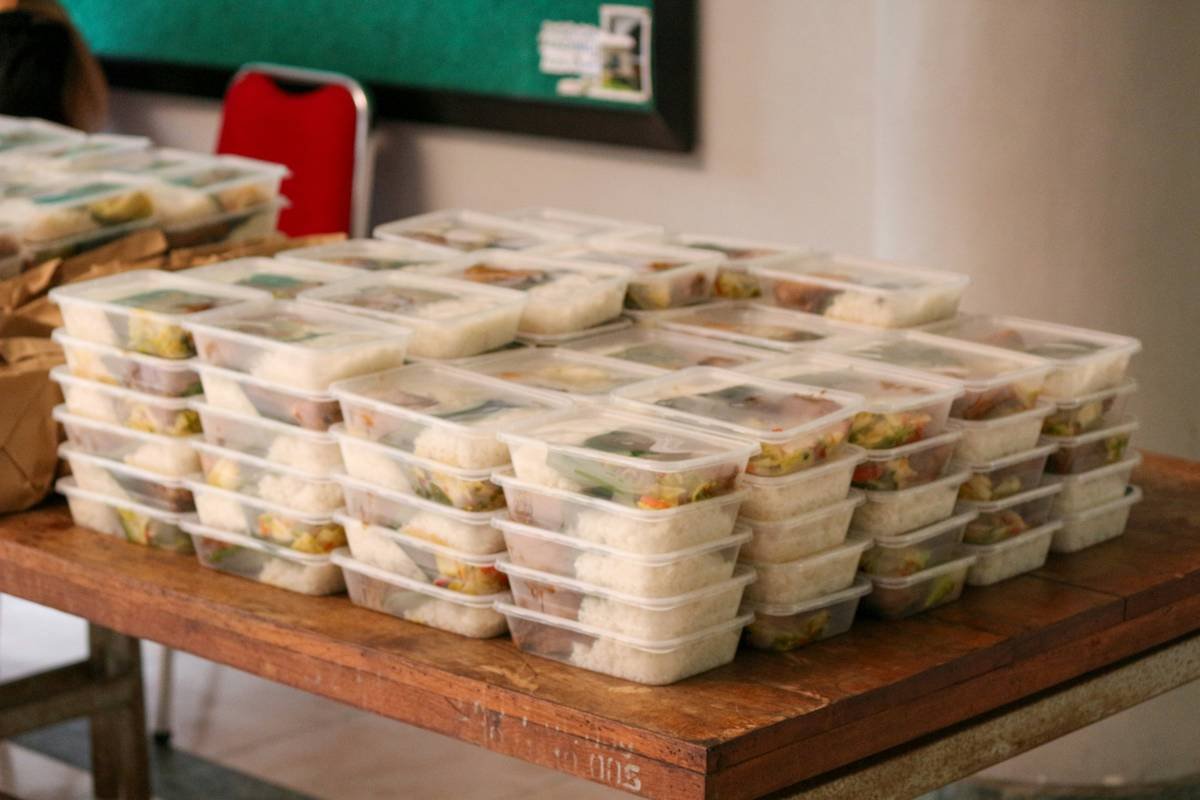
Optimist You: “I’ll cook every night like a Food Network star!”
Grumpy You: “Ugh, fine—but only if coffee’s involved and I can use frozen veggies.”
(Newsflash: Grumpy You is the one who sticks with it. Listen to them.)
Your Realistic Weekly Meal Prep Blueprint
Forget “perfect.” Aim for “functional.” Here’s the system I’ve refined over 12 years coaching busy professionals and parents:
Step 1: Audit Your Week Before You Shop
Open your calendar. Highlight nights you’ll be out, working late, or too drained to cook. Assign those nights to freezer meals, slow cooker dishes, or planned leftovers. Never force fresh cooking on a known chaos night.
Step 2: Choose 3 Core Dinners + 1 Flexible Template
Pick three distinct mains (e.g., chili, sheet-pan salmon, chickpea curry). Add one template like “grain bowl” where you swap proteins/veggies. This prevents burnout without sacrificing variety.
Step 3: Batch Cook Smart Building Blocks
Roast two sheet pans of mixed veggies. Cook one big pot of grains. Grill or bake one protein in bulk. Store components separately—they stay fresher longer and let you remix flavors.
Step 4: Prep Breakfasts & Snacks Too
Hard-boiled eggs, overnight oats, chopped fruit—these prevent 10 a.m. vending machine raids. Pro tip: portion snacks into grab-and-go containers Sunday night.
This method saved my client Maria—a nurse working rotating shifts—from $400/month in takeout to under $120. She now preps Sunday *and* Thursday to match her schedule.
7 Chef-Approved Best Practices (Skip #4 at Your Peril)
- Use the “Cook Once, Eat Twice” Rule: Double dinner recipes intentionally—half tonight, half tomorrow or freeze.
- Invest in Glass Containers: They don’t stain, retain heat better, and keep food tasting fresh longer than plastic.
- Add Acid at the End: Lemon juice or vinegar added after cooking keeps flavors bright (learned this after a week of sad, flat roasted carrots).
- Never Skip Labeling: Sharpie + masking tape = sanity. Date everything. “Mystery casserole” is a mood killer.
- Keep a Running Pantry List: Note staples running low *as you cook*. Stops last-minute store runs.
- Embrace Frozen & Canned: Frozen spinach and canned beans are nutritionally comparable to fresh—and far less wasteful.
- Schedule a 20-Minute “Reset”: Every Friday, wipe shelves, toss expired items, and plan next week’s theme (e.g., “Mexican,” “One-Pot”).
Terrible Tip Disclaimer: “Just wing it!” Nope. Without structure, you’ll default to pizza. Plan minimally—but plan.
From Chaos to Calm: Real Success Stories
Case Study 1: The Single Dad
James, a software engineer and solo dad of twins, used to order delivery 5 nights/week. After adopting the 3-dinner + template system, he cut spending by 62% in 3 months. His secret? Using Sunday football time to roast veggies and grill chicken while kids watched cartoons. “Now we assemble bowls together—it’s our thing.”
Case Study 2: The Prediabetic Office Worker
Sarah had erratic blood sugar spikes from skipping lunch or grabbing pastries. With pre-portioned balanced meals (40% veg, 30% protein, 30% complex carbs), her A1C dropped from 6.1 to 5.6 in 4 months—confirmed by her endocrinologist. “Knowing lunch is waiting removes the panic.”
These aren’t anomalies. The American Journal of Preventive Medicine links consistent meal timing with improved metabolic markers. When meals are pre-decided, you default to nourishment—not convenience junk.
FAQs About Weekly Prepared Meal Benefits
How long do prepped meals last in the fridge?
Fully cooked meals stay safe and tasty for 3–4 days in airtight containers at ≤40°F. For longer storage, freeze portions right after cooking.
Does meal prep really save money?
Absolutely. USDA data shows U.S. households waste ~31% of purchased food ($1,500/year). Planning slashes impulse buys and spoilage—most users save 20–30% monthly.
What if I get bored eating the same thing?
Prep components, not full meals. Keep sauces/dressings separate. Swap toppings: tahini on Day 1, salsa on Day 2. Variety lives in the details.
Can meal prep help with weight loss?
Indirectly, yes. Controlled portions, reduced processed food intake, and stabilized hunger cues support sustainable weight management—per Harvard T.H. Chan School of Public Health.
Conclusion
The weekly prepared meal benefits go far beyond saving time on weeknights. You’re investing in less stress, smarter spending, better health outcomes, and a quieter mind. Remember: perfection is the enemy of progress. Start with just three dinners. Use your freezer. Label like your sanity depends on it (it does).
Your future self—standing calmly at 7 p.m. with a vibrant, ready-to-eat bowl in hand—will whisper: “Worth it.”
Like a Tamagotchi, your meal prep habit needs daily care—but it thrives on consistency, not perfection.
🥢
Rice steams soft,
Veggies crisp in glass,
Chaos fades away.