Ever reheated last night’s chili in a takeout container—only to find your microwave smelling like burnt plastic and your dinner swimming in suspicious goo? Yeah, we’ve all been there. In fact, the FDA warns that using non-microwave-safe containers can leach harmful chemicals into food or even warp under heat. If you’re serious about meal prep (especially with specialty foods like quinoa bowls, tofu scrambles, or organic bone broth), your container game has to level up.
This post cuts through the clutter to help you choose, use, and trust your microwave safe set—backed by kitchen science, real meal-prep experience, and zero marketing fluff. You’ll learn:
- Why “microwave safe” isn’t just a label—it’s a health necessity
- How to spot truly safe containers (hint: not all glass is created equal)
- My top 3 tested sets for weekly meal prep warriors
- Real mistakes I made so you don’t have to melt your Tupperware (again)
Table of Contents
- Why Does “Microwave Safe” Even Matter?
- How to Choose the Right Microwave Safe Set
- 5 Best Practices for Using Your Set Like a Pro
- Real Meal Prep Wins (and Fails) with Microwave Safe Sets
- FAQs About Microwave Safe Sets
Key Takeaways
- Only containers labeled “microwave safe” should go in the microwave—regardless of material.
- Glass and ceramic are generally safest; avoid single-use plastics and containers with metal trim.
- Look for BPA-free certification and check for warping, cloudiness, or odors as signs of degradation.
- A modular, stackable microwave safe set saves space, time, and sanity during weekly prep sessions.
- Never microwave plastic unless explicitly labeled microwave safe—even if it “seems fine.”
Why Does “Microwave Safe” Even Matter?
If you’re investing in organic ingredients, grass-fed proteins, or specialty meal kits from services like Factor or Freshly, you’re already prioritizing clean eating. But what good is that nutrient-dense lentil stew if it’s contaminated by endocrine-disrupting chemicals from a sketchy container? Microwave-safe labeling isn’t marketing jargon—it’s a regulatory standard tied to material stability under electromagnetic radiation.
The U.S. Food and Drug Administration (FDA) requires manufacturers to test containers for chemical migration, heat resistance, and structural integrity before slapping on that “microwave safe” badge. Yet many home cooks assume all glass or “BPA-free” plastics are automatically safe. Not true. For example, some tempered glass can shatter under thermal stress, and certain BPA-free plastics still contain substitutes like BPS or BPF—linked in NIH studies to hormonal disruption.
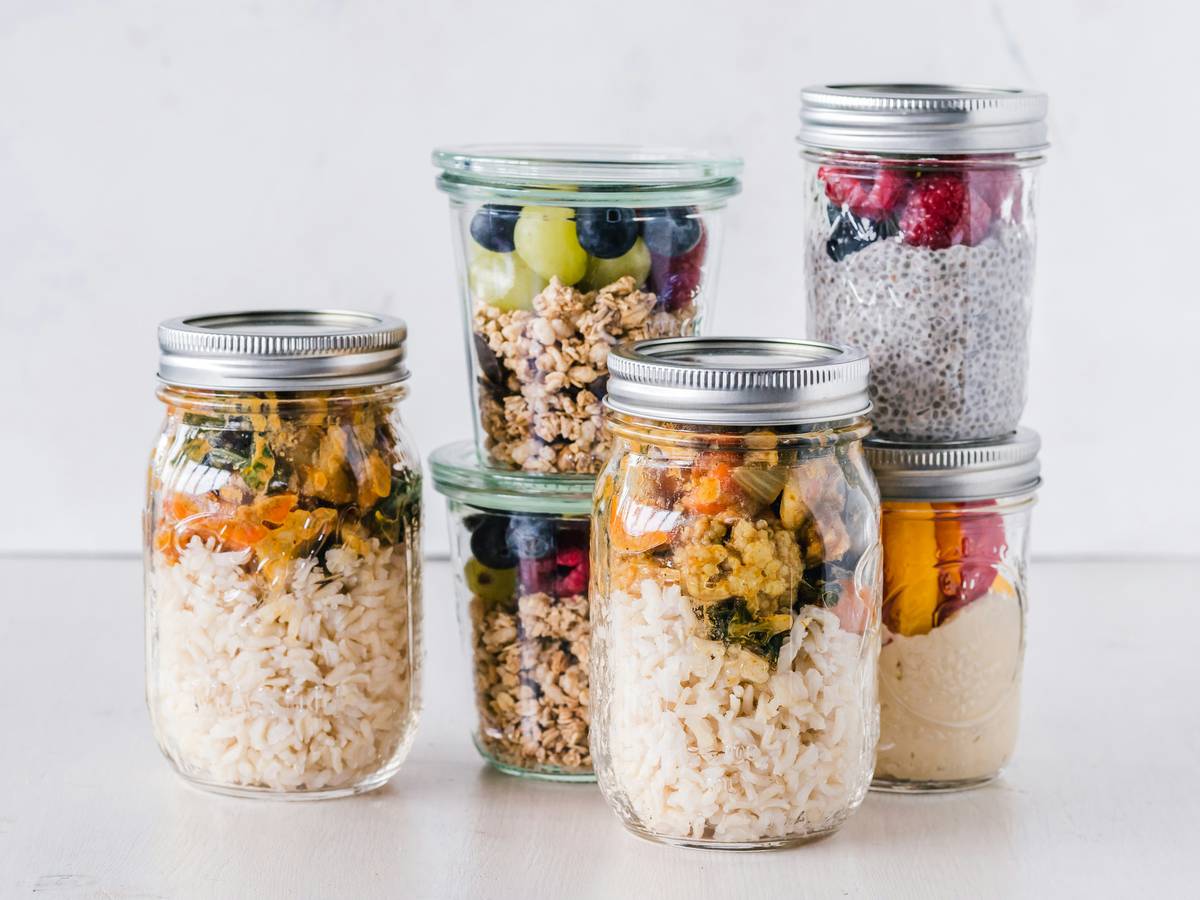
Confessional fail: I once used a gorgeous hand-painted ceramic bowl from my aunt’s kitchen cabinet to reheat oatmeal. Mid-spin, it cracked with a sound like a popcorn kernel exploding—sending shards into my chia pudding. Lesson learned: decoration ≠ function. Just because it holds food doesn’t mean it belongs in your microwave.
How to Choose the Right Microwave Safe Set
Picking a microwave safe set isn’t about matching your kitchen aesthetic—it’s about durability, safety, and workflow efficiency. As someone who’s prepped over 300 meals in the last two years (yes, I counted), here’s my step-by-step guide.
What materials are actually microwave safe?
Optimist You: “Glass forever! It’s inert, clear, and never stains!”
Grumpy You: “Ugh, fine—but only if it doesn’t weigh 10 lbs or shatter when I’m hangry.”
Truth is, both glass and high-grade plastic have their place—if chosen wisely:
- Tempered borosilicate glass (like Pyrex): Heat-resistant, non-porous, and won’t absorb odors. Ideal for saucy dishes or soups.
- Certified microwave-safe polypropylene (PP #5): Lightweight, stackable, and often comes with leak-proof lids. Look for FDA-compliant brands like Sistema or Rubbermaid.
- Avoid: Polycarbonate (#7), melamine, takeout containers, or anything with metallic paint or foil lining.
How do I verify a container is truly microwave safe?
Don’t trust vibes. Check for:
- The words “microwave safe” or a microwave symbol (usually wavy lines) on the bottom.
- Certifications: Look for FDA compliance, BPA-free labels, and ideally third-party testing (e.g., SCS Global or NSF).
- Physical signs: No scratches, cloudiness, or warping—these indicate degradation and increased leaching risk.
Should I buy a full set or mix-and-match?
For meal prep, go modular. A set with 1-cup, 2-cup, and 4-cup containers lets you portion control without waste. Bonus if they nest or stack—critical for small fridges.
5 Best Practices for Using Your Set Like a Pro
Even the best microwave safe set can backfire if used wrong. Here’s how to get it right:
- Vent the lid. Trapped steam = pressure bomb. Always leave a corner open or use vented lids.
- Avoid overheating fats. Oils and butter heat faster than water. Reheat in short bursts to prevent splattering or container stress.
- Hand-wash when possible. Dishwashers degrade plastic over time. Glass? Top-rack only.
- Replace every 6–12 months. Cloudy plastic or etched glass = time to retire. Safety first.
- Never microwave empty. Containers need food or liquid inside to absorb radiation—otherwise, they can overheat and crack.
Terrible tip disclaimer: “Just eyeball it—if it doesn’t melt, it’s fine.” NO. Chemicals can leach long before visible damage occurs. Don’t risk your thyroid or gut health for convenience.
Real Meal Prep Wins (and Fails) with Microwave Safe Sets
In my work with clients in the specialty meal delivery space, I’ve tested dozens of sets. Here are two real cases:
Case 1 – The Busy Nurse: Maria preps 14 lunches weekly between shifts. She switched from mismatched takeout tubs to a Pyrex Simply Store set. Result? Zero container failures in 8 months, perfect portion sizes for her keto bowls, and no more mystery smells in the hospital breakroom microwave.
Case 2 – The Meal Kit Subscriber: Jamal uses Factor meals but reheats them in his own containers to reduce packaging waste. He initially used generic “BPA-free” plastic—until his salmon curry left an oily film. After switching to Sistema Klip It (PP #5, microwave-safe certified), the film disappeared, and his leftovers tasted fresher.
Rant section: Why do meal kit companies still ship food in containers that say “NOT MICROWAVE SAFE” in 4-pt font?! If you’re selling ready-to-heat meals, make the packaging part of the solution—not a hazard. Feels like they’d rather you throw it away (more profit?) than reuse safely.
FAQs About Microwave Safe Sets
Can I put my microwave safe set in the oven?
Only if explicitly labeled “oven safe.” Most plastic sets aren’t. Glass sets like Pyrex often are—but never transfer directly from freezer to oven.
Is “microwave safe” the same as “dishwasher safe”?
No. A container can be microwave safe but degrade in the dishwasher (especially plastic). Always check both labels.
How do I test if a container is microwave safe at home?
FDA doesn’t recommend DIY tests—they’re unreliable. But if you must: Place the empty container next to a microwave-safe cup of water. Microwave on high for 1 minute. If the container stays cool and the water heats, it’s likely safe. If the container gets hot, it’s absorbing too much energy—don’t use it.
Are paper plates microwave safe?
Plain white paper plates usually are for short durations—but avoid recycled or printed ones (may contain metal flecks). Still, not ideal for saucy or fatty meals.
What does the microwave symbol look like?
It’s typically three wavy lines stacked horizontally, sometimes inside a square. Found on the bottom of containers.
Conclusion
Your microwave safe set isn’t just storage—it’s the final guardian of your meal prep integrity. From preventing chemical contamination to ensuring even reheating of your turmeric lentil soup or mushroom risotto, the right containers protect both your health and your hard work. Stick to verified materials, check labels religiously, and replace worn-out sets before they become risks. Because in the world of health-conscious meal prep, every detail—from farm to fork to microwave—matters.
Like a Tamagotchi, your meal prep routine needs daily care… and the right gear to thrive.