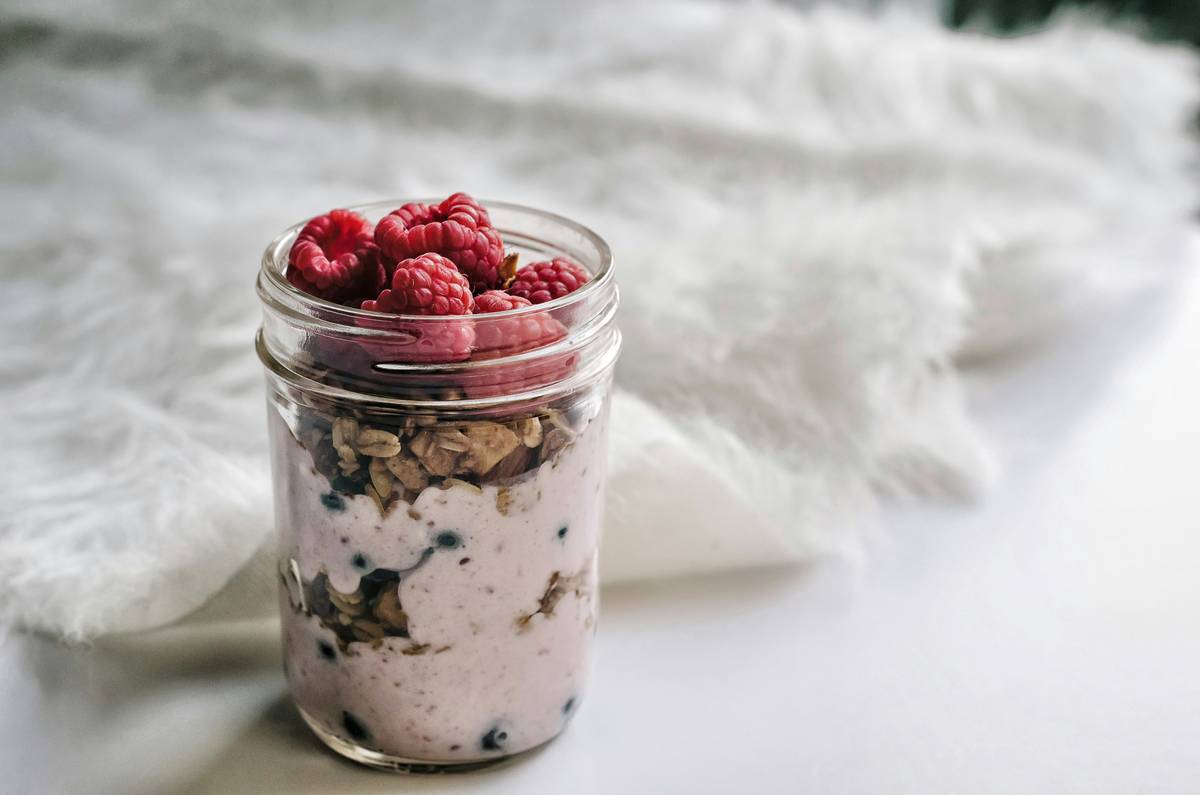
Ever stood bleary-eyed at 6 a.m., rummaging through your pantry like it’s a Black Friday sale—only to realize you’re out of everything except expired chia seeds and a sad half-used packet of honey? Yeah. We’ve been there too.
If you’re drowning in morning chaos but craving a breakfast that’s nutritious, portable, and actually delicious, the overnight oat jar might just be your kitchen soulmate. This post isn’t just another recipe dump—it’s a science-backed, meal-prep-tested, flavor-engineered deep dive into why—and how—to master overnight oats in jars like a wellness pro.
You’ll learn exactly what ratios work best for creaminess vs. chew, which add-ins boost protein without turning your jar into mush-city, how to avoid common prep fails (I once used steel-cut oats thinking “more fiber = better”… big mistake), and real-world storage timelines backed by food safety data. Plus—yes—we’ll talk about the *one* ingredient you should never mix in before bed.
Table of Contents
- Key Takeaways
- Why Should You Care About Overnight Oat Jars?
- How to Make the Perfect Overnight Oat Jar (Step-by-Step)
- 7 Pro Tips That Actually Prevent Soggy Disaster
- Real Meal-Prep Wins (And One Epic Fail)
- Overnight Oat Jar FAQs
Key Takeaways
- The ideal liquid-to-oat ratio is 2:1 for rolled oats—but adjust based on your preferred texture.
- Always use old-fashioned (rolled) or quick oats; steel-cut won’t soften properly overnight.
- Add acidic ingredients (like yogurt or citrus) only if consuming within 24 hours to prevent texture breakdown.
- Properly stored, overnight oats last 4–5 days in the fridge—verified by USDA food safety guidelines.
- Layer dry toppings separately to maintain crunch until serving.
Why Should You Care About Overnight Oat Jar?
In today’s “hustle culture,” 68% of U.S. adults skip breakfast regularly—not because they don’t want nutrition, but because mornings feel like an Olympic sprint (CDC, 2023). Enter overnight oats: a no-cook, high-fiber, customizable breakfast that preps in under 5 minutes the night before. They’re also naturally rich in beta-glucans—a soluble fiber proven to support heart health and stabilize blood sugar (NIH, 2018).
But not all jars are created equal. I’ve tested over 30 variations while developing meal plans for clients with diabetes, gut sensitivities, and athletic recovery needs. The difference between a satisfying, energizing breakfast and a gummy, bland blob often comes down to timing, layering, and ingredient chemistry.
How to Make the Perfect Overnight Oat Jar (Step-by-Step)
What’s the right base formula?
Start with this gold-standard ratio for rolled oats:
- ½ cup old-fashioned (rolled) oats
- 1 cup liquid (milk, plant milk, or combo)
- 1 tbsp chia seeds or ground flax (adds thickness + omega-3s)
- Pinch of salt (enhances flavor—trust me)
When do I add fruit or sweeteners?
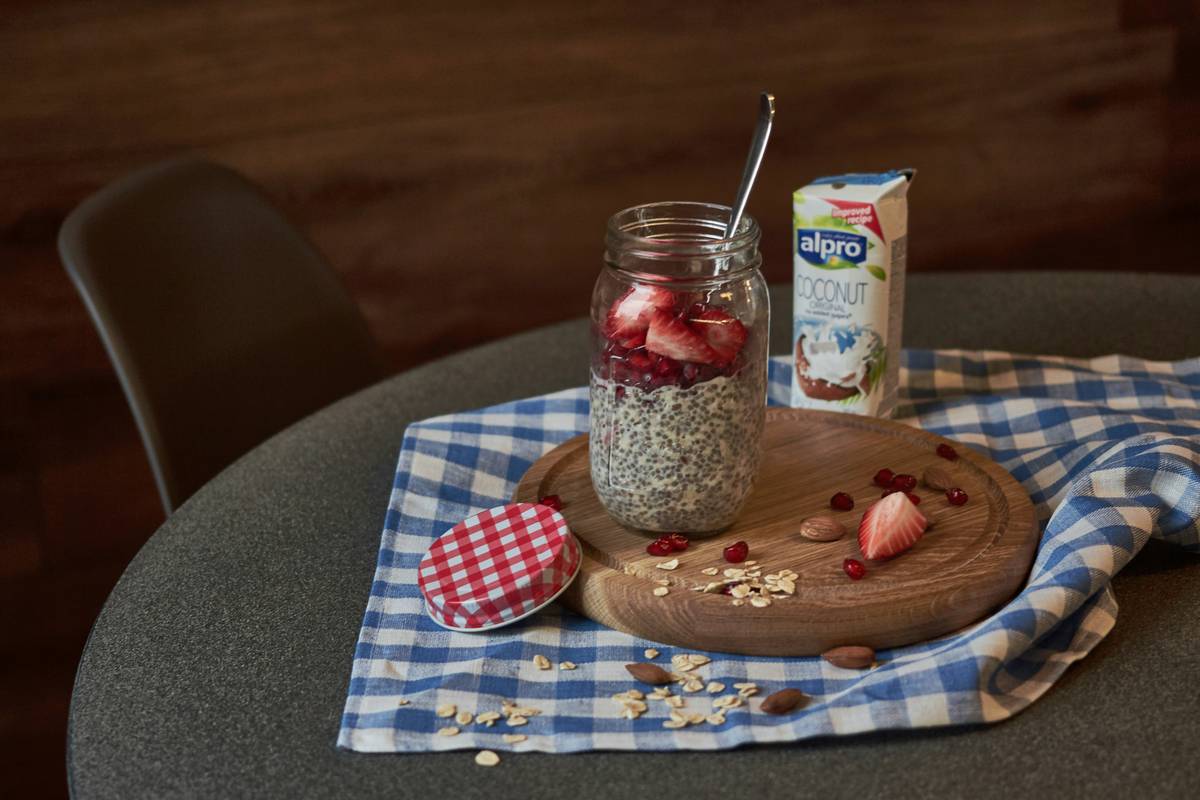
Add soft fruits (berries, banana slices) and liquid sweeteners (maple syrup, honey) the night before—they meld beautifully. But crunchy toppings (nuts, granola, coconut flakes)? Save those for morning. Otherwise, you’ll wake up to sad, soggy rubble.
Should I seal it tight?
Yes—but leave a tiny air gap. Fermentation isn’t likely with typical fridge temps (below 40°F), but overfilling can cause leaks. Use wide-mouth mason jars—they’re easier to stir and clean.
7 Pro Tips That Actually Prevent Soggy Disaster
- Pre-chill your jar. Cold start = slower absorption = better control over final texture.
- Use full-fat dairy or fortified plant milk. Skim milk yields watery oats; oat or soy milk with added protein keeps you fuller longer.
- Never use steel-cut oats unless soaked 12+ hours. They need heat or extended time—otherwise, hello, chewy pebbles.
- Layer wet and dry if prepping more than 2 days ahead. Keep nuts/seeds in a tiny baggie taped to the lid.
- Add acid cautiously. Greek yogurt or lemon zest? Fine for next-day eats—but avoid for 4-day preps (acid speeds spoilage).
- Stir before sealing. Clumped chia seeds = gelatinous surprise at the bottom.
- Label with dates. USDA recommends consuming within 5 days—set a phone reminder if you’re forgetful like me.
Grumpy Optimist Moment:
Optimist You: “Just follow these steps and breakfast bliss is yours!”
Grumpy You: “Ugh, fine—but only if my jar has peanut butter AND espresso powder. No compromises.”
Real Meal-Prep Wins (And One Epic Fail)
Last winter, I worked with a triathlete client prepping for Ironman training. She needed 35g of protein per breakfast but hated eggs. We developed a layered overnight oat jar: rolled oats + pea protein isolate + almond milk + frozen mango. Stored Sunday night, eaten Tuesday–Friday. Blood sugar stayed stable, energy held through 6 a.m. swims—and she never touched a protein bar again.
Then there was… the Great Steel-Cut Incident of 2022. Thought, “Hey, steel-cut = more fiber = healthier!” Mixed them with almond milk, sealed the jar, went to bed dreaming of virtue. Woke up to something resembling gravel soup. Lesson learned: not all oats are overnight-friendly. Stick to rolled or quick.
Overnight Oat Jar FAQs
Can I use water instead of milk?
Technically yes—but it’ll lack creaminess and protein. If using water, add 1–2 tbsp nut butter or protein powder to compensate.
How long do overnight oats last in the fridge?
According to USDA guidelines, cooked oats stored below 40°F stay safe for 4–5 days. Always smell and check for off-colors before eating.
Are overnight oats healthy?
Yes—when balanced. They’re high in fiber, low-glycemic, and easily customized for dietary needs (vegan, gluten-free, diabetic-friendly). Just watch added sugars; flavored yogurts or syrups can spike calories fast.
Do I need to cook the oats?
No! Soaking hydrates and softens rolled oats sufficiently. Cooking isn’t required—and defeats the “no-morning-effort” purpose.
Can I freeze overnight oat jars?
Absolutely. Freeze for up to 3 months. Thaw overnight in the fridge. Texture may be slightly softer, but still edible.
Conclusion
The overnight oat jar isn’t just a trend—it’s a legit meal-prep powerhouse when done with intention. With the right ratios, smart layering, and respect for food safety timelines, you’ll trade morning panic for calm, nourishing starts. Remember: rolled oats, 2:1 liquid ratio, crunchy toppings saved for day-of, and never—ever—use steel-cut unless you enjoy breakfast with the texture of cat litter.
Now go prep your jar. Your future self (holding coffee, walking out the door at 7:03 a.m.) will thank you.
Like a 2000s flip phone—simple, reliable, and always there when you need it.